Why This Finding is a Game-Changer
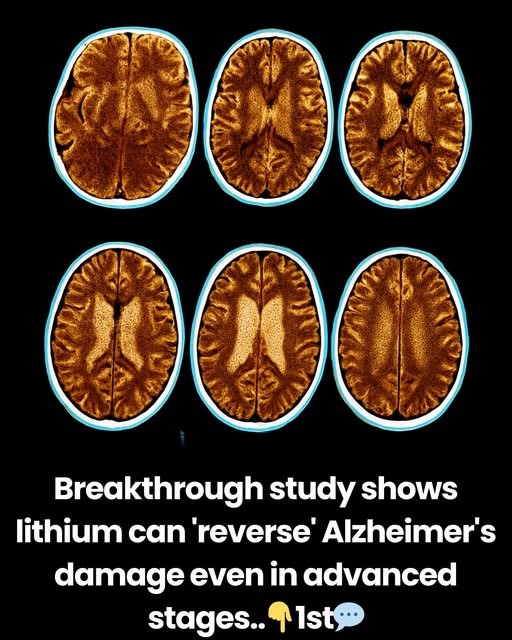
For years, Alzheimer’s research has focused heavily on clearing out harmful amyloid plaques that build up in the brain. While important, treatments based on this approach have had limited success. This new study suggests we may have been missing a key piece of the puzzle. It might not just be the presence of plaques that matters, but how your brain responds to them. Lithium appears to be a crucial factor in that response. When researchers reduced lithium in mice, the animals developed brain inflammation, memory loss, and the very plaques linked to Alzheimer’s, showing a direct cause-and-effect relationship.
A Potential Treatment That Reverses Damage?
The most exciting part of the study involves a special form of the mineral called lithium orotate. This compound was able to do something remarkable in mice: it reversed memory loss and repaired signs of brain damage, even in animals with advanced disease. What’s more, it worked at a dose 1,000 times lower than what’s used for mood disorders, making it potentially much safer for older adults. This specific type of lithium seems to be able to get to where it’s needed in the brain without being trapped by the amyloid plaques, allowing it to get to work protecting and repairing brain cells.
Conclusion
This discovery offers incredible hope for a completely new way to approach Alzheimer’s disease. While the researchers caution that you should not start taking lithium supplements on your own, they are now planning human clinical trials to test lithium orotate. If successful, we could see a future where a simple test for lithium levels helps detect Alzheimer’s risk early, and a low-dose supplement could help protect your brain, maintain your memory, and potentially even reverse the course of this devastating disease.
